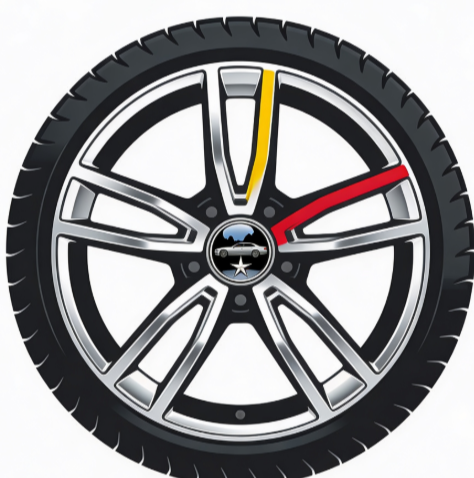
Travel confidence starts long before the engine turns over. It begins in the quiet choices you make around tires, storage, inspection, and road readiness, because the smallest weakness under your vehicle can turn a good trip into a tense one. For many drivers, Prime Tire Park Ideas are not about chasing fancy upgrades; they are about building a smarter relationship with the parts of the car that touch the road first. A clean tire setup, a steady maintenance routine, and a safer parking habit can change how you feel every time you leave home. You stop guessing. You stop hoping the tires are “probably fine.” You start driving with proof beneath you. Even simple tire care tips can make long routes feel calmer, especially when weather, traffic, and road surfaces refuse to cooperate. Good travel safety habits also begin at home, where tire checks and parking choices either protect your vehicle or quietly wear it down. Brands, drivers, and auto publishers looking to share practical road advice through wider digital visibility often rely on trusted automotive content platforms such as press release distribution networks to reach people who need useful guidance, not empty noise.
Building Prime Tire Park Ideas Around Real Travel Confidence
Confidence on the road does not come from luck; it comes from reducing the number of things that can surprise you. The strongest Prime Tire Park Ideas treat your tires as a travel system, not loose pieces of rubber you remember only when one looks low. A driver preparing for a weekend highway trip, for example, needs more than a quick glance at the sidewall. Tire condition, pressure, load weight, parking surface, and spare readiness all work together. Miss one of them, and the whole plan feels weaker than it should.
Tire Care Tips That Start Before the Trip
Strong tire care tips begin with timing. Checking tire pressure after the car has sat for a few hours gives you a cleaner reading than checking it after a long drive, when heat has expanded the air inside the tire. That small detail matters because a tire that looks fine can still be underinflated enough to create extra heat, uneven wear, and sluggish handling.
A good pre-trip habit should feel boring. That is the point. Walk around the vehicle, check each tire with a gauge, inspect the tread for odd wear, and look for cuts, bubbles, nails, or stones stuck deep in the grooves. Boring checks prevent dramatic problems.
Many drivers make the mistake of trusting only the tire’s appearance. A tire can look strong at a glance and still hide a slow leak, a weak valve stem, or uneven shoulder wear from poor alignment. Real tire care tips force you to slow down for two minutes before the road forces you to stop for two hours.
Travel Safety Habits for Daily Drivers
Travel safety habits do not belong only to people planning long-distance routes. They matter during daily driving because most tire problems build slowly through ordinary routines. Parking hard against curbs, ignoring pothole impacts, carrying too much weight, and skipping rotation schedules all create quiet damage before any warning light appears.
The counterintuitive truth is that city driving can punish tires more than a smooth highway trip. Short routes, sharp turns, tight parking spaces, speed bumps, and rough shoulders constantly stress the sidewalls and tread edges. A person who drives five miles daily through broken streets may need sharper tire awareness than someone who cruises fifty miles on clean pavement.
Practical travel safety habits also include knowing when not to drive. A tire with a visible sidewall bulge, deep crack, exposed cord, or fast pressure loss is not “good enough for one more errand.” It is a warning written in rubber. Respect it before the road makes the decision for you.
Turning Parking Choices Into Tire Protection
Parking sounds harmless until you look closely at what bad parking does to tires. The wrong surface, angle, pressure point, or storage condition can age a tire faster than the miles themselves. A car parked for weeks on hot asphalt, sharp gravel, or a damp patch beside a wall is not resting as peacefully as it seems. It is absorbing stress in one fixed position, and tires dislike being forgotten under load.
Vehicle Parking Solutions That Protect Tire Shape
Smart vehicle parking solutions start with surface quality. Flat, clean, dry ground helps tires hold their shape better during longer parking periods. Gravel with sharp edges, oil-stained concrete, and uneven ground can create pressure spots or expose tires to chemicals that weaken rubber over time.
A driver who parks outside should also think about sunlight. Constant heat and UV exposure can dry tire rubber and speed up cracking, especially on vehicles that do not move often. Shade, tire covers, or a covered parking area can help reduce that punishment. Small protection beats slow damage.
For cars parked for extended periods, slightly moving the vehicle every couple of weeks can prevent one section of tire from carrying the load for too long. Some owners use tire cradles or support pads for stored vehicles, but even basic vehicle parking solutions like clean ground and periodic movement can make a clear difference.
Road Trip Tire Prep While Parked
Road trip tire prep should begin while the car is still parked, not once bags are loaded and everyone is impatient. The parked position gives you the best chance to inspect the tires without heat, movement, or pressure from the schedule. This is where calm decisions happen.
A useful routine includes checking the tire pressure against the door-jamb recommendation, not the number molded into the tire sidewall. The sidewall number usually reflects maximum pressure, not the everyday setting your vehicle needs. That misunderstanding leads many drivers to overinflate, which can reduce comfort and affect grip.
Good road trip tire prep also means checking the spare, jack, lug wrench, and wheel lock key. Plenty of drivers discover a dead spare only after the main tire fails, which is like finding out your umbrella has holes during the storm. A confident trip needs backup equipment that is ready before it becomes necessary.
Reading Tire Wear Like a Travel Warning System
Tires talk through patterns, but most drivers never learn the language. Feathered tread, worn shoulders, center wear, cupping, and cracking all point toward different problems. Once you recognize those signs, you stop treating tire wear as random aging and start seeing it as feedback from the vehicle. That shift changes everything.
Tire Care Tips for Spotting Hidden Trouble
Useful tire care tips include reading the tread from more than one angle. Stand back first and compare all four tires, then crouch down and inspect each groove. Uneven wear across one tire can reveal alignment trouble, while matching wear on two tires may point toward pressure habits or suspension issues.
Center wear often suggests overinflation, while heavy wear on both outer edges can indicate underinflation. Wear on one shoulder may point to alignment problems. Cupping or scalloped patches can come from worn suspension parts, and that pattern often brings noise before the driver understands what caused it.
The unexpected part is that tires can reveal problems outside the tire itself. A damaged shock absorber, poor wheel balance, bent rim, or bad alignment can leave a mark on the tread long before the steering wheel starts shaking. Treat the tire as the messenger, not always the villain.
Travel Safety Habits for Rough Roads
Rough roads demand different travel safety habits because they attack tires from unpredictable angles. A pothole hit at speed can bruise the inside structure of a tire even when the outside looks normal. That hidden injury may not fail right away, which makes it more dangerous.
After a harsh impact, pull over when safe and inspect the tire and wheel. Look for a sidewall bubble, rim bend, pressure loss, or steering change. A small vibration after a pothole is not a personality trait your car suddenly developed. It is information.
Drivers on rural roads, construction zones, or mountain routes should carry a compact tire inflator and pressure gauge. These tools do not replace proper repair, but they give you options when the nearest shop is far away. The best travel safety habits do not make you fearless; they make you prepared enough to think clearly.
Making Tire Readiness Part of Every Journey
The strongest driving routines are the ones you can repeat without drama. Tire readiness should not feel like a special event reserved for vacations, storms, or inspection deadlines. It should live inside your normal car ownership rhythm, the same way fuel, mirrors, and seatbelts do. Once that happens, confidence becomes less emotional and more mechanical.
Vehicle Parking Solutions for Long-Term Reliability
Reliable vehicle parking solutions depend on how often the car moves. A daily driver needs protection from curbs, debris, and harsh angles. A stored car needs protection from flat spots, moisture, sunlight, and pressure loss. Treating both situations the same is where owners lose ground.
For a car that sits during work travel or seasonal storage, clean the tires, inflate them to the recommended pressure, and park on a dry, level surface. Avoid leaving the vehicle with heavy cargo inside because extra weight presses the tires harder into one fixed position. That pressure may seem harmless for a day, but weeks change the story.
A simple monthly check keeps stored tires from becoming forgotten tires. Inspect pressure, look for cracking, and move the vehicle enough to change the contact patch. Vehicle parking solutions do not need to look impressive; they need to prevent slow damage that nobody notices until the next drive feels wrong.
Road Trip Tire Prep for Confident Travel
Effective road trip tire prep connects your route to your tire decisions. A short city ride, a hot highway drive, a mountain climb, and a rainy coastal route do not ask the same things from your tires. Distance matters, but road character matters more.
Before a longer trip, match tire pressure to the vehicle’s recommended load condition, especially if you are carrying passengers, luggage, tools, or camping gear. Extra load increases heat and stress. Tires can handle designed weight, but they should not be asked to guess their way through it.
Prime Tire Park Ideas become most valuable when they change what you do before the keys are in your hand. Check the tires early, fix concerns before departure day, and keep a small emergency kit within reach. Confident travel is not a mood you wait for; it is a condition you build.
Conclusion
A tire routine does not need to be complicated to be powerful. It needs to be consistent, honest, and tied to the way you actually drive. The driver who checks pressure, studies wear, parks with care, and prepares before each route has already removed half the stress from the journey before leaving the driveway. That is the real value behind Prime Tire Park Ideas: they turn tire awareness from a panic response into a quiet form of control. Every road has surprises, but your tires should not be one of them. Start with one habit today, whether it is checking pressure cold, inspecting tread wear, or fixing the way your car sits when parked. Small routines become strong systems when you repeat them. Build that system now, and your next drive will feel steadier before the road even begins.
Frequently Asked Questions
What are the best tire care tips for confident travel?
Check tire pressure when the tires are cold, inspect tread depth, look for sidewall cracks or bubbles, and rotate tires on schedule. Keep a working spare, jack, and inflator nearby. These habits reduce surprise problems and make each trip feel safer from the start.
How often should I check tire pressure before road trips?
Check pressure at least a few days before a road trip and again on departure morning if the vehicle is heavily loaded. Cold readings give the most accurate result. Use the pressure listed on the driver-side door label, not the maximum number on the tire.
What vehicle parking solutions help protect tires?
Park on flat, dry, clean ground whenever possible. Avoid sharp gravel, oil patches, deep puddles, and hard curb contact. For long-term parking, move the car occasionally or use tire support pads to reduce fixed pressure on one section of the tire.
Why does road trip tire prep matter for long drives?
Long drives create heat, load, and steady friction, which expose weak tires faster than short errands. Proper road trip tire prep helps you catch low pressure, uneven wear, hidden damage, and spare tire problems before they interrupt your travel.
How can I tell if tire wear is unsafe?
Unsafe wear often shows as shallow tread, exposed cords, cracks, bulges, or uneven patterns across the tire. A tread depth gauge gives a better answer than guessing by eye. Any sidewall bulge or visible cord means the tire needs immediate professional attention.
Do travel safety habits change in bad weather?
Wet, hot, icy, or rough conditions make tire condition more important. Increase following distance, avoid sudden steering, and check tread before driving in rain. Poor tread cannot move water well, which raises the risk of losing grip when roads turn slick.
Are tire covers useful for parked vehicles?
Tire covers help when a vehicle sits outdoors for long periods, especially under strong sun. They reduce UV exposure and slow surface aging. They do not replace pressure checks or movement, but they add useful protection for cars that stay parked often.
What should I keep in a tire emergency kit?
Carry a pressure gauge, portable inflator, tire plug kit, flashlight, gloves, reflective triangle, and the correct tools for changing a wheel. Add the wheel lock key if your car uses one. A kit only helps when every piece is present and easy to reach.