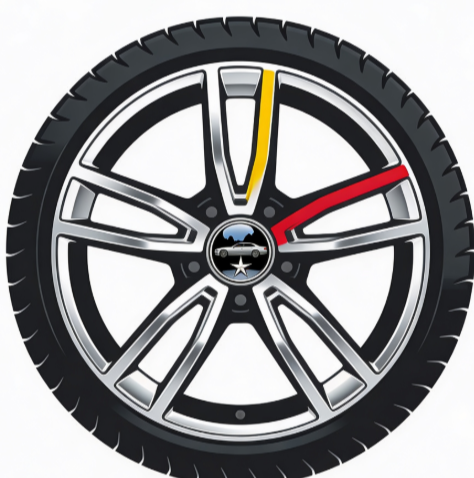
A tire can make a car feel honest or unpredictable within the first few miles of a drive. You notice it in the steering, the braking, the cabin noise, and the small corrections your hands keep making without permission. That is why Prime Tire Park matters less as a catchy phrase and more as a practical way to think about tire condition, tire choices, and the way your vehicle meets the road.
Better performance does not begin with expensive upgrades. It begins with removing the quiet mistakes that drain grip, fuel economy, ride comfort, and confidence. A tire that looks fine in the driveway can still be underinflated, unevenly worn, poorly matched to the vehicle, or past its best working life. For drivers comparing service options, trusted automotive guidance from a reliable performance resource can help turn vague tire advice into sharper decisions.
The smartest changes are not dramatic. They are consistent, measured, and timed before problems become obvious. That is where tire performance becomes a habit instead of a repair bill.
Prime Tire Park Adjustments That Change How Your Car Feels
Small tire changes can alter the entire personality of your vehicle. A car that feels heavy in turns, noisy on highways, or nervous during braking often does not need a major repair first. It needs attention at the contact patch, where every steering input, stop, and acceleration demand passes through a few hand-sized pieces of rubber.
Why tire pressure changes more than ride comfort
Tire pressure gets treated like a minor maintenance task because it looks too simple to matter. That is the trap. A few pounds of pressure can shift how the tread sits on the road, which changes grip, braking distance, fuel use, and shoulder wear.
A daily driver running low pressure often feels softer at first, which some people mistake for comfort. Underneath that softness, the sidewall works harder, heat builds faster, and the tread edges carry more load than they should. That is not comfort. That is a tire spending its life unevenly.
Overinflation creates the opposite problem. The center of the tread does too much work, the ride turns harsh, and the tire may lose some of the stable footprint you expect in wet conditions. Proper tire pressure is not about chasing a number from a forum. It is about following the vehicle placard, then checking it cold before the day’s driving changes the reading.
How wheel alignment protects tire performance
Alignment problems rarely announce themselves with drama. They creep in after potholes, curb taps, worn suspension parts, or months of rough roads. The car may still drive, but the tires begin scrubbing across the pavement instead of rolling cleanly.
That scrubbing steals tire life in a way most drivers never see until it is too late. One front tire starts wearing along the inner edge, the steering wheel sits slightly off-center, or the car drifts when the road looks flat. By then, the tire has already been paying the bill.
A good alignment does more than straighten the steering wheel. It restores the tire’s intended working angle, which helps braking feel cleaner and cornering feel calmer. For a commuter who spends hours on mixed roads, that can matter more than buying a sportier tire without fixing the geometry underneath it.
Smarter Tire Selection for Daily Driving
Choosing tires should begin with the way you drive, not with the most aggressive tread pattern on the shelf. A tire built for one job can disappoint badly in another. The right choice balances grip, comfort, road noise, weather needs, load rating, and expected life without pretending one tire can dominate every category.
Choosing tread patterns for real roads
Tread design is not decoration. The grooves, blocks, sipes, and shoulders decide how water moves, how the tire bites under braking, and how much noise reaches the cabin. A bold tread may look capable, but it can feel rough and loud when used on roads that never ask for that level of bite.
City driving often rewards a balanced pattern with predictable wet grip and low rolling noise. Highway drivers may care more about stability, tread life, and quiet tracking over long distances. Drivers in areas with heavy rain need channels that clear water well, because hydroplaning is not solved by confidence alone.
The counterintuitive part is simple: the tire that looks most powerful is not always the tire that performs best for you. Better tire performance comes from matching the pattern to your actual road life, not to the version of driving you imagine on a perfect weekend.
Why matching tires matters more than mixing brands
Mixing tires may feel harmless when only one tire gets damaged. After all, replacing one tire costs less than replacing a pair or a set. The problem appears when different tread depths, rubber compounds, or designs respond differently under stress.
During a quick lane change, one tire may grip harder while another lets go sooner. In heavy rain, one corner may clear water better than the rest. Anti-lock braking and stability systems can only do so much when the four tires are not speaking the same language.
This matters even more on all-wheel-drive vehicles. Uneven tire diameter can strain drivetrain components because the system senses constant speed differences between wheels. Saving money on one tire can create a larger mechanical problem later, which is a bad trade no matter how neatly it fits today’s budget.
Maintenance Habits That Prevent Performance Loss
Tires do not fail only because they are old or cheap. They fail because small signs get ignored until they become expensive. Strong maintenance turns tire care from guesswork into a routine that protects safety, comfort, and long-term value.
How rotation keeps wear from becoming a pattern
Front and rear tires live different lives. Front tires handle more steering load, more braking force, and often more cornering stress. Rear tires may look less abused, but they still age, harden, and lose depth over time.
Rotation spreads those demands across the set. That keeps tread wear more even and helps the vehicle maintain balanced grip from front to rear. When drivers skip rotation, one pair may wear out far earlier, forcing replacement before the whole set has delivered its value.
A common real-world example is a front-wheel-drive car used for school runs, errands, and stop-start traffic. The front tires carry power, steering, and most braking load. Without rotation, they can wear shoulders quickly while the rear tires appear healthy. Balanced rotation keeps that pattern from quietly taking over.
Reading tread wear before it becomes expensive
Tread wear tells a story, but many drivers only look for depth. That misses the better clues. Feathering, cupping, center wear, edge wear, and one-sided wear all point toward different problems hiding in pressure, suspension, alignment, or driving habits.
Cupping often suggests worn shocks or struts because the tire is bouncing instead of staying planted. Edge wear can point toward underinflation or alignment issues. Center wear often hints at too much pressure. Each pattern gives you a chance to correct the cause before buying another set too soon.
The smart move is to inspect the tread slowly once a month. Run your hand across the surface, look at both shoulders, and compare one tire with another. Your eyes may miss what your palm catches, especially when wear begins as a texture change before it becomes an obvious groove.
Driving Changes That Make Tires Work Better
The driver has more control over tire life than most people admit. Roads matter, tire quality matters, and maintenance matters, but daily habits shape how hard the rubber works. Two drivers can use the same tires on the same model car and get different results because one drives against the tires while the other drives with them.
Why smooth inputs protect grip
Aggressive driving does not always look wild from inside the car. It can be late braking, fast steering corrections, hard launches from traffic lights, or turning sharply while braking. Each habit asks the tire to handle too many forces at once.
A tire has a grip budget. Braking spends part of it. Turning spends part of it. Accelerating spends part of it. When you demand all three together, the tire has less room to respond calmly. That is why smooth drivers often feel faster and safer without looking dramatic.
This does not mean driving slowly everywhere. It means asking for grip in a clean sequence. Brake earlier, turn with steadier hands, and accelerate once the car has settled. The reward is not only longer tire life. The whole car feels less strained.
How load and storage affect tire condition
Weight changes tire behavior immediately. A vehicle loaded with tools, luggage, passengers, or towing gear presses harder into the road and increases heat inside the tire. That heat can shorten tire life when pressure, load rating, and speed are not respected.
Storage matters too, especially for spare sets or seasonal tires. Tires left in direct sun, near chemicals, or under heavy stacked weight can age before they ever return to the road. Rubber does not need mileage to degrade. Time, heat, ozone, and neglect can do enough damage on their own.
A careful driver treats tires like working equipment, not black circles that happen to roll. Check load limits before long trips, adjust pressure when the vehicle manual calls for it, and store unused tires in a cool, dry place away from sunlight. Boring advice, yes. Expensive to ignore, also yes.
Conclusion
Better performance starts when you stop treating tires as a background part of the car. They decide how confidently you stop in rain, how cleanly you track at highway speed, and how much control you feel when the road turns rough. The best upgrades begin with pressure, alignment, rotation, tread reading, and smarter driving habits.
That is the real value of Prime Tire Park thinking: it shifts your attention from emergency fixes to steady control. You do not need to wait for vibration, noise, or uneven wear to tell you something is wrong. You can catch the signs earlier and make the car feel better before the problem grows teeth.
Start with one action this week: check every tire cold, inspect the tread with your hand, and compare what you find against how the car feels on the road. Tires reward attention faster than almost any part of a vehicle, and the road always notices first.
Frequently Asked Questions
What are the best tire changes for better performance?
Start with correct pressure, proper alignment, regular rotation, and tires matched to your driving conditions. These changes improve grip, braking, ride comfort, and tread life without wasting money on upgrades that cannot fix basic tire problems.
How often should I check tire pressure for daily driving?
Check tire pressure at least once a month and before long trips. Always check when the tires are cold, because driving heats the air inside and can give a higher reading than the tire actually had before moving.
Why does wheel alignment affect tire wear so quickly?
Poor alignment makes tires scrub against the road at the wrong angle. That friction can wear one edge faster than the rest of the tread, reduce stability, and make the steering feel uneven even when the car still seems driveable.
What tread pattern is best for wet road driving?
A tread pattern with strong water channels and enough siping usually performs better in rain. The goal is to move water away from the contact patch so the tire keeps touching pavement instead of riding on a thin water layer.
Can mixed tire brands reduce vehicle performance?
Mixed tire brands can reduce balance if tread depth, compound, or design differs across the vehicle. The risk grows during braking, cornering, and wet driving because each tire may respond differently under the same load.
How does tire rotation improve tire life?
Rotation moves tires between positions so one pair does not carry the same stress for its whole life. This helps the set wear more evenly, improves balance, and can prevent early replacement caused by front or rear wear patterns.
What tire wear signs should I inspect first?
Look for one-sided wear, center wear, edge wear, cupping, cracks, bulges, and uneven tread depth. These signs often point toward pressure issues, alignment problems, suspension wear, or tire aging that needs attention before performance drops further.
How can driving habits make tires last longer?
Smooth braking, steady steering, gentle acceleration, and avoiding harsh curb impacts all reduce tire stress. Tires last longer when you stop asking them to handle sudden force changes every few seconds. Small driving changes add up fast.