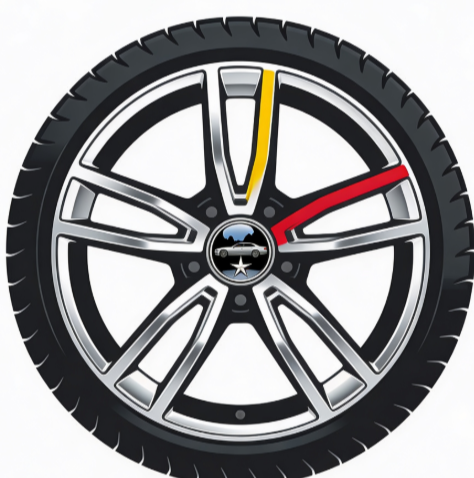
Bad tire decisions rarely announce themselves loudly. They creep in through a soft sidewall, a lazy pressure check, a tread pattern you stopped noticing, and one wet corner that suddenly feels less forgiving than it should. Smart tire park ideas help you treat tire safety as part of daily driving, not as a panic move after a skid, puncture, or warning light. A car can have strong brakes, clean suspension, and a careful driver, but weak tire care turns all that into guesswork. Drivers who take tire choices seriously also tend to think better about vehicle visibility, maintenance habits, and public trust, which is why resources tied to automotive growth and road awareness can fit naturally into the wider conversation. Safer driving starts where the car meets the road, and that contact patch is smaller than most people imagine. When you respect that tiny strip of rubber, every trip feels calmer, cleaner, and more controlled.
Why Prime Tire Park Ideas Begin With Road Contact
Tires do not feel dramatic until they fail, which is why many drivers underestimate them. The engine gets attention because it makes noise, and brakes get attention because they feel urgent, but tires quietly decide whether all that power and stopping force reaches the pavement. Safer driving depends on that quiet decision more than most upgrades people spend money on.
How road grip changes before you notice it
Road grip fades in small steps, not sudden cliffs. A tire can still look usable from a few feet away while its edges lose bite, its rubber hardens, or its tread blocks stop clearing water cleanly. That is the trap: visual confidence arrives long after performance has already dropped.
A driver may feel this first during a quick lane change on a damp road. The steering still responds, but the car takes a heartbeat longer to settle. That tiny delay matters because it steals room from every correction you make after it.
Fresh road grip gives you options. Worn road grip narrows them. Once the tire stops communicating clearly, the driver starts reacting late, and late reactions are where small mistakes become expensive ones.
Why pressure matters more than tire shine
Tire pressure looks boring, which is exactly why it gets ignored. A glossy sidewall can make a tire look cared for while the air inside sits several pounds below the correct level. Appearance can flatter a bad setup.
Low pressure makes the tire flex too much, creating heat and uneven wear. High pressure reduces the contact area and can make the center of the tread work harder than it should. Neither problem always feels obvious at neighborhood speeds, but both show up when you need control most.
A simple monthly pressure check beats most cosmetic tire care habits. Do it before the car has been driven far, because warm tires give misleading readings. That small routine turns tire care habits from guesswork into control.
Building Tire Care Habits That Actually Last
Good tire routines fail when they feel like chores. The trick is not to become obsessed with rubber, tread, and air pressure; it is to attach tire care habits to moments you already have. Fuel stops, weekend washes, and long-trip packing all make natural checkpoints, and that is where safer driving becomes easier to repeat.
What a five-minute tread inspection can reveal
A tread inspection should not feel like a mechanic’s exam. Look for uneven wear, shallow grooves, exposed damage, and stones wedged deep enough to stress the rubber. The goal is not perfection; the goal is spotting the kind of change that deserves attention before it becomes a roadside problem.
The penny-style check many drivers know is useful, but your eyes matter too. If one shoulder wears faster than the other, the issue may point toward alignment, underinflation, or aggressive cornering habits. A tire is often telling the story of how the car has been driven.
One overlooked detail is texture. Rubber that looks cracked, glazed, or dry may have aged past its best behavior even when tread depth remains acceptable. That kind of tread inspection gives you a better read than depth alone.
How rotation prevents silent imbalance
Tire rotation feels optional until you understand how unevenly a car asks each tire to work. Front tires often carry steering loads, braking force, and extra weight, while rear tires may age in a different pattern. Leaving them in one position too long lets small differences grow teeth.
A regular rotation schedule helps the set wear more evenly. That does not only stretch tire life; it also keeps handling more predictable. Predictability is safety’s quieter cousin, and it matters on every road surface.
One driver with a daily commute full of roundabouts may wear outside shoulders faster than someone cruising straight highways. Another who parks on rough gravel may see damage on one side first. Rotation will not fix every issue, but it helps reveal problems before they hide inside the pattern.
Matching Tires to Weather, Roads, and Driving Style
A tire that works well in one place can be the wrong choice somewhere else. That is where many buyers get misled by price, brand familiarity, or a friend’s recommendation. The best tire for safer driving is not always the most expensive one; it is the one that matches your roads, your weather, and your actual behavior behind the wheel.
Choosing tread patterns for real roads
Tread design is not decoration. Wide grooves help move water, smaller biting edges can help in light snow, and block shape affects noise, comfort, and steering feel. Every pattern makes a trade, even when the marketing tries to hide it.
A driver in a rainy city should care more about water evacuation than aggressive-looking sidewalls. Someone on rough rural roads may need stronger construction and better resistance to cuts. A highway commuter may value stability, quietness, and heat management over sporty sharpness.
This is where Prime Tire Park Ideas belong in the body of smart ownership: they push you to choose based on conditions, not ego. A tire should solve the road you drive, not decorate the car you want people to imagine.
When seasonal changes demand different thinking
Weather does not only affect traction when snow falls. Cold temperatures can stiffen rubber, heat can raise pressure, and heavy rain can expose tread weakness in seconds. Seasonal thinking helps you adjust before the road teaches the lesson for you.
Drivers in hot climates should watch pressure swings and sidewall condition closely. Heat builds during long trips, especially when the vehicle is loaded, and weak tires punish neglect faster under stress. A family road trip with luggage, passengers, and highway speed is not the time to discover an old tire has been waiting to fail.
Wet months call for a sharper focus on road grip and tread depth. Standing water does not care how confident you feel. Once the tire rides on water instead of pavement, steering becomes a suggestion rather than a command.
Turning Tire Awareness Into Safer Driving Decisions
The best tire plan changes how you drive, not only what you buy. Awareness should follow you onto the road, into parking lots, and through every weather shift. When tire care habits become part of your driving mind, you stop treating safety as something that starts after trouble appears.
How driving behavior protects tire life
Smooth driving is not slow driving. It means braking earlier, steering with less violence, and accelerating in a way that does not chew rubber for no reason. Tires reward calm inputs because they can keep their shape, temperature, and grip more consistently.
Hard cornering in daily traffic may feel harmless, but it scrubs the shoulders and builds heat. Fast starts wear drive tires faster, especially on heavier vehicles. Repeated curb bumps can damage sidewalls long before a bubble appears.
A better habit is to drive as though your tires are giving you a limited budget of grip each day. Spend it when safety demands it, not when impatience asks for it. That mindset turns safer driving from a slogan into a daily choice.
Why parking choices affect tire condition
Parking sounds unrelated to tire safety, but it quietly shapes tire health. Sharp curb contact can weaken sidewalls, long parking on uneven ground can stress certain areas, and sitting for weeks can create flat spots or pressure loss. The car may be still, but the tire is not free from load.
Drivers who park outdoors should also think about sunlight and surface heat. Harsh sun can age rubber, while hot pavement adds stress during already warm seasons. Shade, clean surfaces, and occasional movement help more than most people assume.
One odd truth: the safest driver in motion can still damage tires through careless parking. Avoid pinching sidewalls against curbs, do not rest tires against sharp edges, and check pressure after long storage. Small parking discipline protects the next drive before the engine even starts.
Tires are not exciting in the way speed, styling, or technology can be, but they carry more responsibility than any flashy upgrade. The best Prime Tire Park Ideas come down to respect: respect the contact patch, respect pressure, respect tread, and respect the roads you actually drive. Safer driving improves when you stop waiting for warning signs and start reading the small clues your tires already give you. Build one repeatable routine this week: check pressure, inspect tread, look for sidewall damage, and match your next tire choice to your real driving conditions. A car only feels safe when its tires are ready to prove it.
Frequently Asked Questions
What are the best tire care habits for safer driving?
Check tire pressure monthly, inspect tread depth, rotate tires on schedule, and look for sidewall cracks or bulges. These habits catch problems early and help the car brake, steer, and handle more predictably in daily traffic.
How often should I do a tread inspection on my car?
A tread inspection once a month works well for most drivers. Check sooner before long trips, after hitting a pothole, or when rainy weather begins. Uneven wear, shallow grooves, and cracks deserve attention before they affect control.
Why does road grip matter so much for daily driving?
Road grip controls how well your car turns, stops, and stays stable. Weak grip reduces your margin for error during rain, sudden braking, or quick lane changes. Good tires give your steering and brakes something solid to work with.
Can tire pressure affect fuel economy and safety?
Correct tire pressure helps the tire keep its intended shape on the road. Low pressure can build heat and wear the edges, while high pressure can reduce contact with the pavement. Both can hurt comfort, control, and tire life.
What tire problems should I never ignore?
Bulges, deep cuts, exposed cords, repeated pressure loss, vibration, and uneven wear should never be brushed aside. These signs can point to internal damage, alignment trouble, or a tire that may fail under speed or load.
Are expensive tires always better for safer driving?
Price alone does not guarantee the right tire. A premium tire built for the wrong climate or road type can disappoint. The better choice matches your weather, driving style, vehicle weight, and the surfaces you travel most often.
How does parking affect tire condition over time?
Poor parking can press tires against curbs, expose rubber to harsh sunlight, or leave the car sitting on uneven surfaces. Over time, that can stress sidewalls, age rubber, or create flat spots, especially when the vehicle stays parked for long periods.
When should I replace tires even if tread remains?
Replace tires when rubber cracks, sidewalls bulge, vibration appears, or the tire has aged beyond safe service. Tread depth matters, but age and structural condition matter too. A tire can look acceptable and still be unsafe under stress.